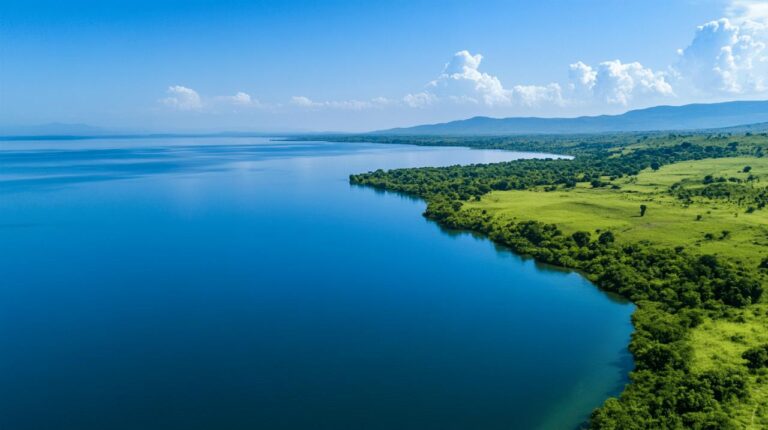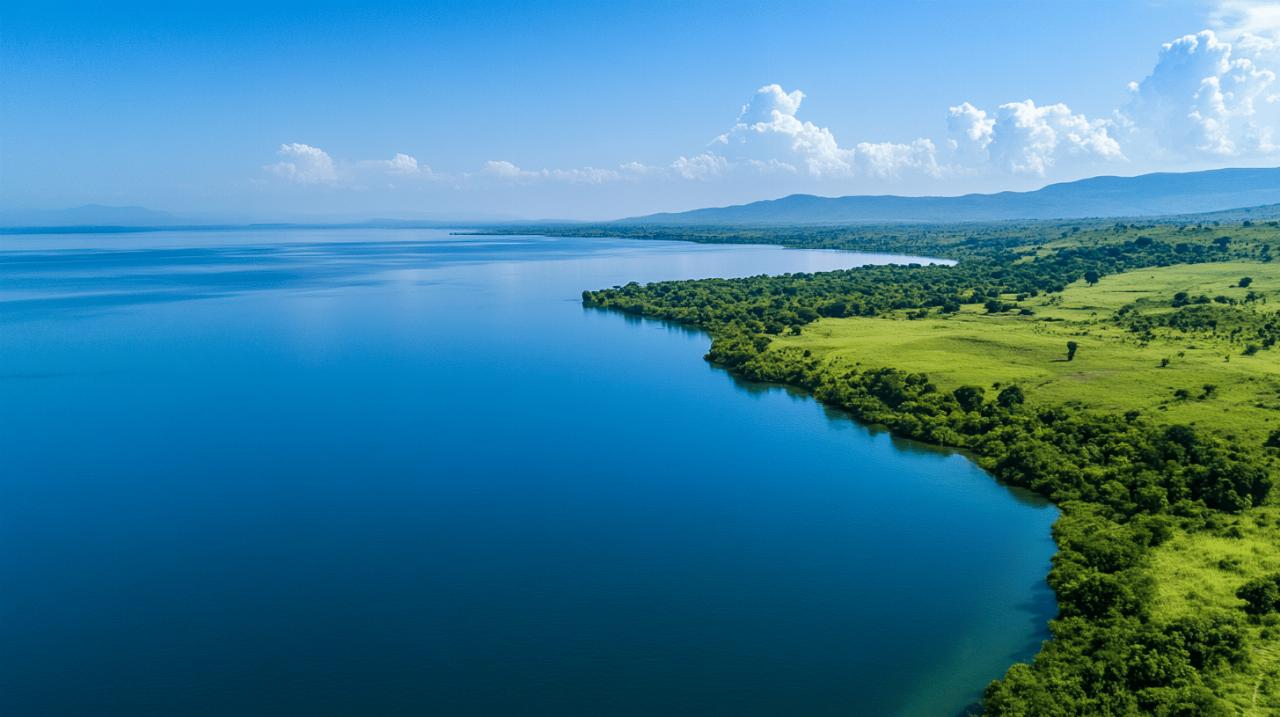
Stretching across the heart of East Africa, Lake Victoria stands as a testament to the continent's natural grandeur. This freshwater marvel, shared amongst Tanzania, Uganda, and Kenya, claims the title of Africa's largest lake and ranks as the second-largest freshwater body globally. With its surface spanning over twenty-six thousand square miles and a coastline extending some two thousand miles, the Tanzanian shores of this magnificent lake offer a gateway to adventure that seamlessly blends wildlife encounters, cultural immersion, and landscapes that seem to stretch into eternity. Whether you're drawn by the call of rare bird species, the allure of remote island sanctuaries, or the prospect of combining your lakeside explorations with some of Tanzania's most celebrated safari destinations, the waters and shores of Lake Victoria promise experiences that linger long after your journey concludes.
Discovering mwanza: gateway to lake victoria's tanzanian shores
Exploring mwanza town and its lakeside attractions
Mwanza, affectionately known as Rock City owing to the dramatic granite boulders that punctuate its landscape, serves as the primary urban centre on the Tanzanian side of Lake Victoria. This bustling town presents a fascinating blend of natural beauty and vibrant local culture, where fishing industries thrive alongside agricultural enterprises producing coffee, maize, tea, and cotton. The town's lakeside setting provides immediate access to the water's edge, where visitors can observe the rhythms of daily life as fishermen haul in their catches and traders conduct business along the shore. Saanane Island National Park, situated just offshore from Mwanza, offers a convenient escape for those seeking a taste of wildlife without venturing far from the town centre. This compact park provides opportunities for game drives and walking safaris, allowing you to encounter species such as zebras, impalas, and various antelope whilst enjoying panoramic views across the lake's shimmering expanse.
The cultural fabric of Mwanza and its surrounding areas adds depth to any visit. The Sukuma people, the region's predominant ethnic group, maintain vibrant traditions that visitors can experience through festivals and cultural centres. The Sukuma Dance Festival stands as a particularly colourful celebration, whilst the Bujora Cultural Centre offers year-round insights into traditional ways of life, from agricultural practices to musical heritage. Beyond Mwanza itself, the towns of Bukoba and Musoma present alternative bases for exploring different sections of the Tanzanian lakeshore, each with its own character and local attractions. The lake's islands, including Ukerewe Island, Tanzania's largest inland island, beckon those seeking quieter retreats where traditional fishing villages maintain rhythms largely unchanged by modern tourism.
Travel Routes and Accommodation Options in the Gateway City
Reaching Mwanza has become increasingly straightforward thanks to regular flights connecting the town with Dar es Salaam, Kilimanjaro, and Arusha. These aerial routes prove particularly convenient for travellers combining Lake Victoria with other Tanzanian destinations, reducing journey times that would otherwise span considerable distances. For those with more time and a spirit of adventure, road connections from the Serengeti offer an alternative approach, allowing you to transition seamlessly from the renowned plains of the Serengeti to the aquatic landscapes of Lake Victoria. The journey by road, whilst longer, provides insights into the changing landscapes and rural communities that characterise this region of Tanzania.
Accommodation options around Mwanza cater to various preferences and budgets. Hotel Tilapia, named after the fish species abundant in Lake Victoria's waters, offers comfortable lodging with immediate lake access. Ryan's Bay Hotel provides another established option for visitors seeking reliable amenities and proximity to the town's attractions. For those desiring a more resort-style experience, Malaika Beach Resort combines lakeside positioning with recreational facilities that capitalise on the water's presence. These establishments serve as comfortable bases from which to organise boat excursions, cultural visits, and day trips to nearby islands and parks. Many tour operators maintain offices in Mwanza, facilitating arrangements for activities ranging from sunset boat rides to multi-day expeditions that explore the lake's more remote corners.
Wildlife and birdwatching treasures around lake victoria
Rubondo island national park: a birdwatcher's paradise
Rubondo Island National Park represents one of Tanzania's most distinctive protected areas, earning recognition as the largest island park in Africa. This sanctuary, situated within Lake Victoria's waters, has become synonymous with exceptional birdwatching opportunities that draw enthusiasts from across the globe. Over two hundred bird species have been recorded across the island's varied habitats, which encompass dense forests, papyrus swamps, and open grasslands. The combination of forest-dwelling species and waterbirds creates a diversity rarely matched elsewhere, with African fish eagles soaring overhead whilst jewel-like malachite kingfishers dart amongst the shoreline vegetation. Goliath herons, Africa's largest heron species, stalk the shallows, and the island's forests echo with the calls of hornbills and turacos, their vivid plumage flashing amongst the canopy.
Beyond its avian attractions, Rubondo Island supports populations of chimpanzees and elephants, species that were introduced to the island as part of conservation initiatives. Tracking chimpanzees through the forest offers a profoundly different experience from observing them in more mountainous habitats, as the island's terrain and vegetation create unique challenges and opportunities for viewing these intelligent primates. Walking safaris across the island allow visitors to encounter these and other species whilst appreciating the interplay between forest and lake ecosystems. The island's remoteness contributes to its appeal, creating a sense of genuine wilderness that feels increasingly rare in our interconnected world. Rubondo Island Camp provides comfortable accommodation for those wishing to spend multiple days exploring this remarkable sanctuary, with the facility designed to minimise environmental impact whilst maximising opportunities for wildlife observation.
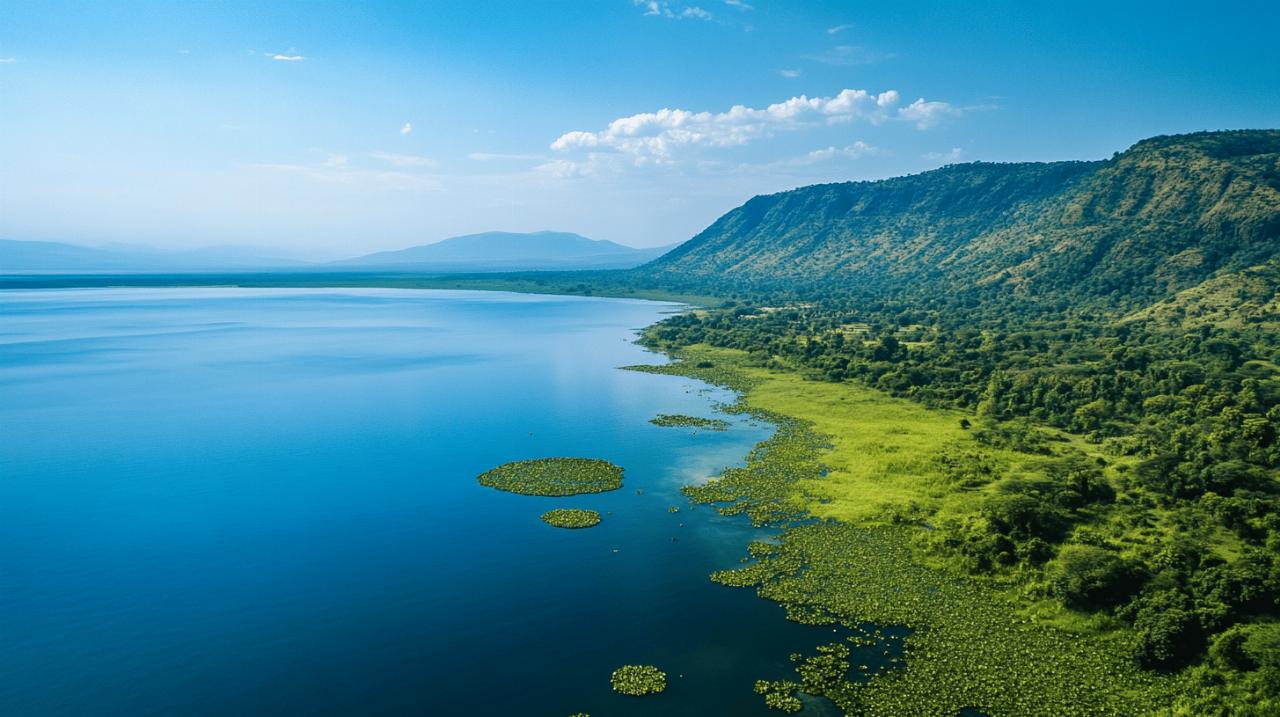
Observing Hippos, Colourful Birds, and Native Species Along the Lake Shore
The shores and islands of Lake Victoria support a fascinating array of wildlife beyond Rubondo Island's boundaries. Hippos, those iconic semi-aquatic mammals, frequent numerous bays and inlets around the lake, often visible during boat cruises as they wallow in the shallows or graze along the banks during evening hours. These gentle giants, despite their placid appearance, command respect as amongst Africa's most formidable animals, and observing them in their aquatic habitat provides memorable encounters. Crocodiles, the lake's other large reptilian residents, bask on muddy banks or lurk beneath the surface, their presence a reminder of the ancient lineages that have inhabited these waters for millennia. Otters, more elusive than their larger neighbours, occasionally reveal themselves to patient observers, their playful behaviour providing delightful moments.
The lake's fish populations, numbering over five hundred species, support both the region's human communities and its wildlife. Sport fishing has become an increasingly popular activity, with Nile perch reaching truly impressive sizes that challenge even experienced anglers. The birdlife along the shoreline rivals that found on the islands, with countless species exploiting the rich feeding opportunities provided by the lake's ecosystems. Pied kingfishers hover above the water before plunging after small fish, whilst various heron and egret species stalk the shallows with studied patience. The papyrus swamps that fringe many sections of shoreline harbour specialised species rarely encountered elsewhere, their distinctive calls and plumage rewarding those who venture into these marshy habitats. Water sports and kayaking offer alternative perspectives on the lake's wildlife, allowing closer approaches to birds and aquatic species whilst enjoying the physical engagement of paddling across these historic waters.
Combining lake victoria with tanzania's premier safari destinations
From serengeti to tarangire: planning your multi-park adventure
Tanzania's reputation as one of Africa's premier safari destinations rests largely upon the Serengeti, whose endless plains host the legendary wildebeest migration and support densities of predators unmatched across the continent. The proximity of Lake Victoria to the Serengeti's western reaches makes combining these two destinations entirely practical, with tour operators offering itineraries that transition smoothly between the aquatic landscapes of the lake and the terrestrial drama of the plains. Such combinations allow travellers to experience the full spectrum of Tanzania's ecosystems, from hippos in Lake Victoria's bays to lions hunting across the Serengeti's grasslands. The contrast between these environments enriches the overall experience, highlighting the remarkable diversity that characterises this corner of East Africa.
Tarangire National Park, situated further east, offers yet another dimension to multi-park itineraries. Famous for its elephant populations and baobab-studded landscapes, Tarangire presents particularly rewarding game viewing during the dry season when animals concentrate around the Tarangire River. The park's birdlife, particularly impressive during the wet season, provides continuity for those whose Lake Victoria experiences have awakened an interest in avian diversity. Further south, Ruaha and Nyerere National Parks, the latter formerly known as Selous, offer wilderness experiences that feel genuinely remote, with visitor numbers considerably lower than in the more celebrated northern parks. These southern parks can be incorporated into extended itineraries for those with sufficient time, creating truly comprehensive explorations of Tanzania's protected areas. Budget safaris, mid-range options, and luxury experiences are all available, ensuring that various financial considerations needn't preclude combining Lake Victoria with other destinations.
Extending Your Journey to Mount Kilimanjaro and Beyond
For many visitors, Tanzania means not only safaris and lake landscapes but also the challenge of scaling Africa's highest peak. Mount Kilimanjaro, that iconic snow-capped massif rising from the plains, draws thousands of trekkers annually, and combining a climb with visits to Lake Victoria and safari parks creates an itinerary that encompasses Tanzania's greatest natural treasures. Kilimanjaro group departures offer more economical options for those watching their budgets, whilst private climbs provide flexibility regarding timing and route selection. Mount Meru, Kilimanjaro's smaller neighbour, presents a less crowded alternative that nonetheless delivers dramatic landscapes and challenging hiking. The mountains, accessible from bases in Moshi and Arusha, fit logically into itineraries that begin or conclude at Lake Victoria, with internal flights reducing the distances involved.
Beach holidays on Zanzibar represent another popular extension to Tanzania adventures, offering opportunities to relax after active days spent on safari or climbing mountains. The spice islands' combination of cultural heritage, pristine beaches, and coral reefs creates a fitting conclusion to journeys that have traversed lakes, plains, and peaks. Coastal areas around Tanga provide alternatives to Zanzibar for those seeking less-visited beach destinations. Day tours from various bases, whether Moshi, Arusha, or Mwanza itself, allow flexible exploration for travellers not committed to extended itineraries. The diversity of experiences available across Tanzania means that whether your interests lean towards wildlife observation, physical challenges, cultural immersion, or simple relaxation, suitable combinations exist. Tour operators throughout Tanzania can arrange comprehensive packages or à la carte components depending upon your preferences, with average daily rates for popular itineraries starting from approximately two hundred and thirty pounds, whilst Kilimanjaro expeditions begin around thirteen hundred and fifty pounds per person for group departures.