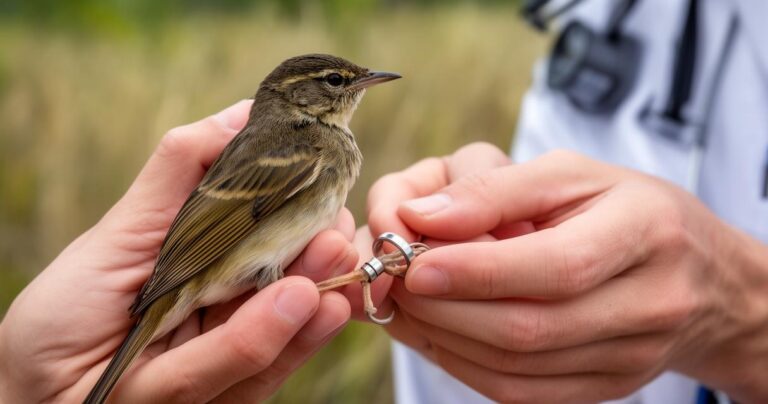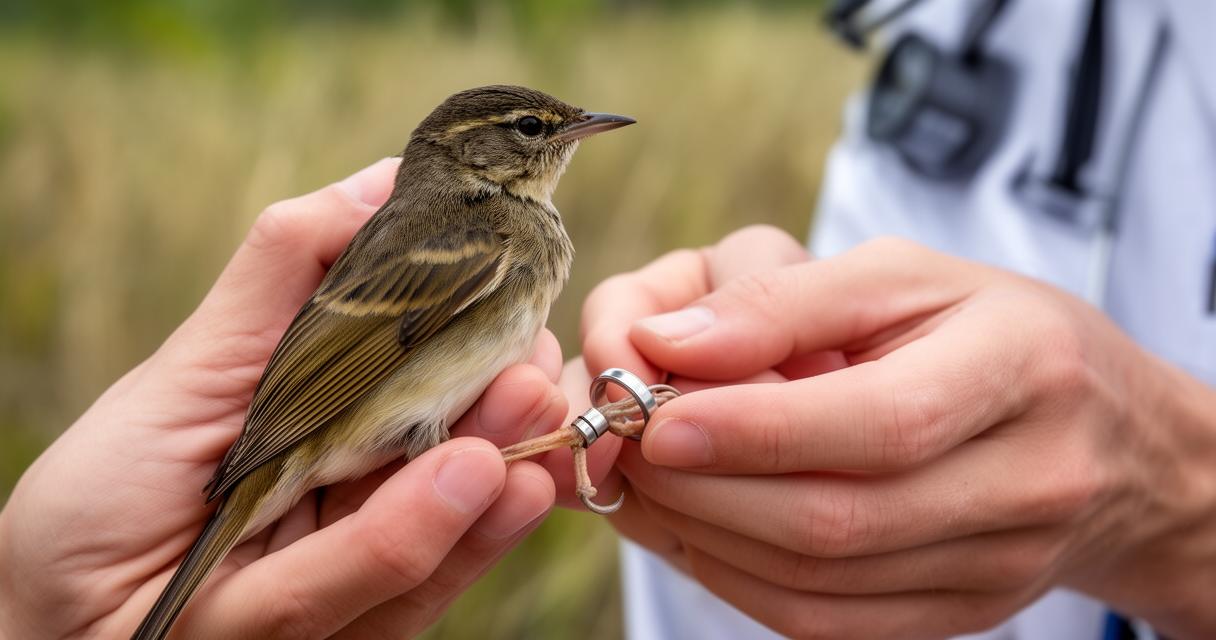
Bird ringing stands as one of the most enduring and illuminating tools in the study of avian life, offering a window into the movements, behaviours, and survival patterns of countless species. For over a century, this practice has enabled researchers to unlock secrets about the natural world that would otherwise remain hidden, whilst simultaneously inviting members of the public to contribute meaningfully to conservation science. Understanding its purpose and recognising how everyday enthusiasts can participate opens up opportunities for anyone with an appreciation for our feathered neighbours to make a tangible difference.
Understanding bird ringing: a foundation for avian conservation
The science behind bird banding and its historical development
The practice of bird ringing, also known as bird banding, involves catching birds, securing a small metal ring around one leg, and collecting data such as species, age, and weight. This technique, which has been conducted in Britain and Ireland since 1909, initially helped confirm migratory patterns, including the remarkable journey of swallows from Britain to South Africa. The British Trust for Ornithology has maintained one of the longest-running ecological surveys, existing for over 100 years, which has provided invaluable insights into the lives of birds across diverse habitats. Today, approximately 3,000 registered volunteers ring about a million birds each year, contributing to a comprehensive database that spans generations of avian research. The method has evolved significantly over the decades, with modern techniques including colour ringing, which allows easier identification without the need for permits for non-authorised individuals, thereby broadening the scope of data collection and public involvement.
How metal bands track individual birds throughout their lives
At the heart of bird ringing lies the lightweight, numbered ring, a simple yet powerful tool that transforms individual birds into ambassadors of scientific knowledge. Licensed ringers attach these metal bands to birds, enabling the tracking of key information throughout the bird's life. Each ring carries a unique identifier, which, when recorded during subsequent encounters, reveals details about the bird's movements, longevity, and reproductive success. Remarkably, the oldest recorded bird was a 51-year-old Manx shearwater, a testament to the durability of both the rings and the lifespan of certain species. At sites such as Martin Mere, where over 100 species of birds visit, including migratory species like ducks and swans, bird ringing helps track the origin and survival rates of birds, offering a glimpse into the interconnectedness of global ecosystems. Whooper swans at the reserve have been found to live at least 26 years, demonstrating how ringing can illuminate the long-term dynamics of bird populations. The data captured from these rings feeds into broader analyses, helping to paint a picture of how individual birds navigate challenges across seasons and geographies.
The critical data gathered through bird ringing programmes
Migration patterns, survival rates, and population dynamics
Bird ringing provides important demographic data on bird populations, such as brood numbers and survival rates, which are essential for understanding the health and viability of species. The primary purpose of bird ringing now includes studying population change, with data utilized to assess bird survival rates and breeding success. Three main data inputs feed into population trends: fledgling production, survival of young birds, and survival of adult birds. The Nest Record Scheme collects data on nesting productivity, whilst recapture models help calculate survival by identifying previously ringed birds. Data indicates a significant decline in many UK bird species over recent decades, with population declines often stemming from reduced recruitment of young birds. A study showed that higher adult survival rates correlate with population increases, underscoring the importance of monitoring these metrics. Globally, the world has seen a decline in bird populations, with about 48 per cent of species suspected to be decreasing, driven by factors including loss of habitats and climate change. Traditional bird ringing data is increasingly important to monitor climate impacts on bird populations, revealing changes in bird behaviours such as shifting nesting dates. Survival trends are published annually based on data from projects like the Constant Effort Site scheme, offering a regular pulse check on the state of birdlife.
Contributing to Species Distribution Maps and Conservation Strategies
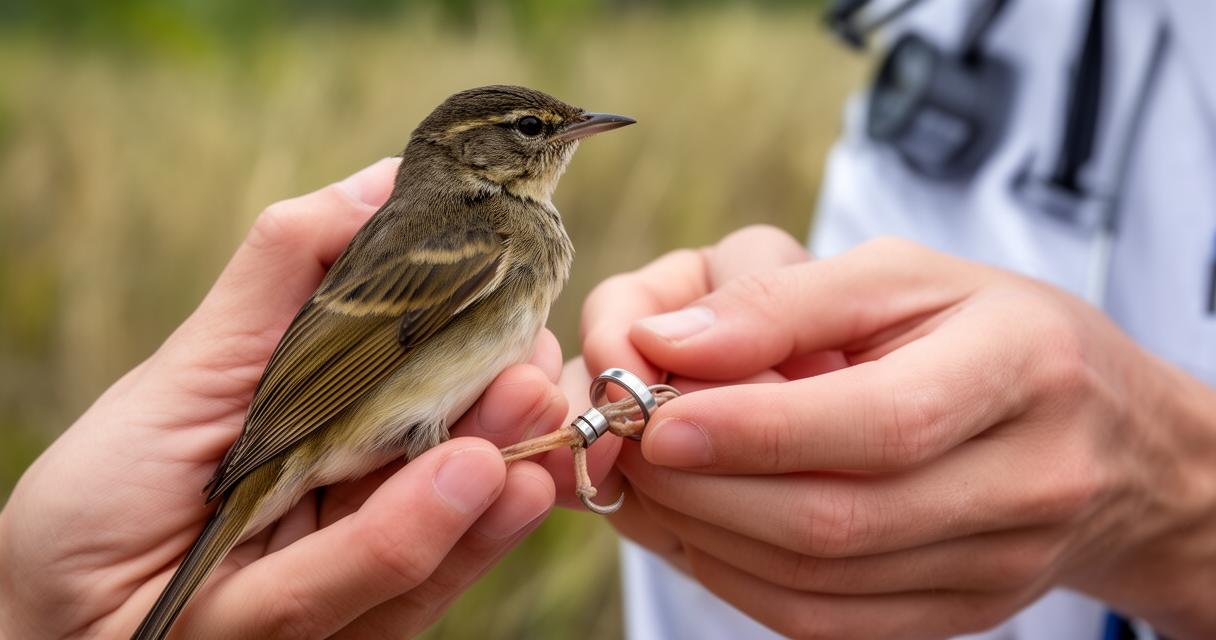
The information gleaned from bird ringing extends far beyond individual survival stories, forming the backbone of species distribution maps and conservation strategies. Over 2,600 volunteers ring more than 900,000 birds annually in Britain, generating a wealth of ecological data that informs efforts to protect vulnerable species. Bird ringing is a tool used for bird conservation to understand population changes, enabling researchers and policymakers to make evidence-based decisions about habitat management and protection measures. For instance, monitoring Lapwing chicks to see how many return to breed has revealed patterns of site fidelity, which are crucial for designing effective conservation interventions. The data collected through bird ringing is invaluable for researchers and museums, helping to build a comprehensive history of wild and exotic species. By tracking both passerines, such as finches and warblers, and non-passerines, including raptors, ducks, and pigeons, bird ringing programmes offer a holistic view of avian biodiversity. This comprehensive approach ensures that conservation strategies are tailored to the unique needs of different species, taking into account their behaviours, migration routes, and ecological roles.
How everyday birdwatchers can support bird ringing efforts
Reporting ringed bird sightings and recoveries
Everyday birdwatchers play a crucial role in the success of bird ringing programmes, with their observations contributing to a broader understanding of avian life. Reporting ringed bird sightings and recoveries is one of the simplest yet most impactful ways to support this research. When a member of the public spots a bird with a metal ring, noting the number and reporting it to organisations such as the British Trust for Ornithology can provide researchers with vital information about the bird's movements and survival. Colour ringing has made this even more accessible, as these rings can be identified from a distance, allowing non-licensed observers to contribute without needing to handle the birds. Each sighting adds a piece to the puzzle, helping to map migration routes, assess habitat use, and track population changes. This collaborative effort between professional ringers and the public not only advances scientific knowledge but also raises awareness about the importance of protecting bird populations. Birdwatchers who take the time to report their sightings become active participants in a global network of conservation, demonstrating how citizen science can drive meaningful change.
Volunteering with Local Ringing Stations and Training Opportunities
For those who wish to take their involvement further, volunteering with local ringing stations and pursuing training opportunities offers a pathway into the heart of avian research. Bird-ringers must undergo extensive training to handle birds carefully and minimise stress, ensuring the welfare of the birds remains paramount. The British Trust for Ornithology offers training for those interested in becoming bird-ringers, providing aspiring volunteers with the skills and knowledge needed to contribute responsibly. At sites such as Martin Mere, daily bird ringing sessions are held from 11am to 3pm during Junior Wetland Rangers events, offering hands-on opportunities for people of all ages to engage with the process. Other activities at such sites include Flamingo Health Checks, Pond Dipping, and Wetland Bird Surveys, all of which complement the broader goals of bird conservation. Volunteering not only enriches the individual's understanding of ornithology but also strengthens the capacity of ringing programmes to collect data across a wider geographic area. The sense of community and shared purpose that emerges from these efforts fosters a deeper connection to the natural world, inspiring a new generation of conservationists. By participating in bird ringing, everyday birdwatchers transform their passion into action, ensuring that the legacy of this vital research continues for decades to come.