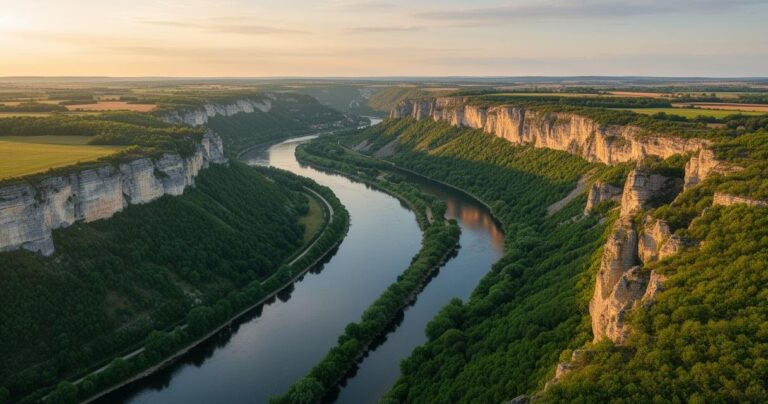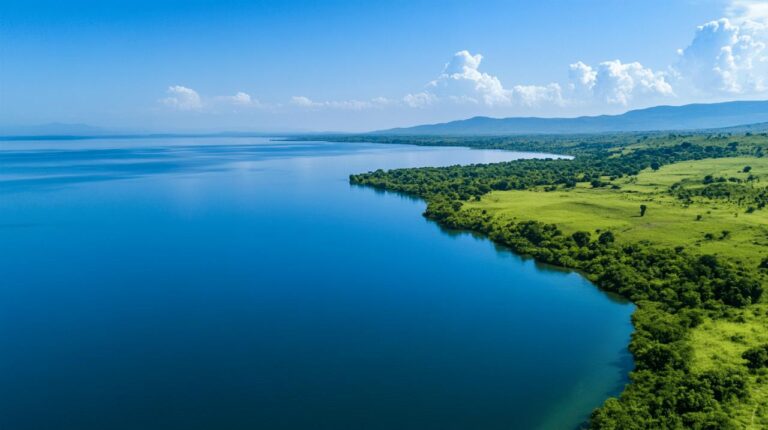
France's diverse landscapes are defined by the waterways that traverse its varied terrain, from the towering peaks of the Alps to the sun-soaked shores of the Mediterranean. These rivers have shaped the nation's history, culture, and economy for centuries, serving as vital arteries for trade, agriculture, and tourism. Among these, the Rhône stands out not only for its remarkable journey from alpine heights to coastal plains but also for its role in connecting the heartland of France to the wider world. Understanding the scale and significance of French rivers provides a fascinating glimpse into the geography that has influenced the country's development and continues to attract visitors from across the globe.
The rhône: from alpine glacier to mediterranean coast
The Rhône is one of France's most significant rivers, celebrated for its dramatic course and its contribution to the nation's energy and commerce. Stretching a total of approximately 812 kilometres, the river flows entirely within French borders for about 545 kilometres, making it a defining feature of the southeastern landscape. Its journey begins in the high altitudes of the Swiss Alps, where glacial meltwater feeds its earliest streams, and it travels southward through a variety of terrains before emptying into the Mediterranean Sea. This remarkable route not only showcases the natural beauty of the region but also highlights the river's historical importance as a conduit for Gallo-Roman heritage and modern hydroelectric power generation.
Tracing the Rhône's Source in the Swiss Alps
The Rhône originates in the Rhône Glacier, nestled in the Swiss Alps, where the icy waters begin their long descent towards warmer climes. This alpine birthplace endows the river with its characteristic cold, clear waters, which retain their glacial qualities even as the river enters French territory. The initial stages of the Rhône's journey are marked by steep valleys and rugged mountain scenery, a testament to the powerful geological forces that have shaped the region over millennia. As the river crosses into France, it continues to reflect the alpine character that defines its source, meandering through narrow gorges and picturesque valleys that have long captivated travellers and adventurers alike.
The river's path through major french metropolitan areas
As the Rhône progresses southward, it flows through several major metropolitan areas, each of which has historically depended on the river for sustenance, trade, and transport. The cities along its banks have flourished due to their proximity to this vital waterway, which has facilitated the movement of goods and people for centuries. The river's path through the French heartland is punctuated by urban centres where industry, agriculture, and commerce converge, making it a lifeline for regional development. Beyond its economic contributions, the Rhône is also a source of hydroelectric power, with numerous dams harnessing its flow to generate energy for millions of residents. This dual role as both a natural wonder and a practical resource underscores the river's enduring significance in contemporary France.
France's top 10 longest rivers: a comprehensive 2025 overview
France is home to an impressive array of rivers, each with its own unique character and contribution to the nation's identity. The ranking of the longest rivers in France reveals a diverse collection of waterways that span the country from the mountainous interior to the coastal plains. At the top of this list is the Loire, which measures between 1,012 and 1,013 kilometres, depending on the source consulted. This makes it not only the longest river in France but also one of the most ecologically diverse, flowing through the Loire Valley, a UNESCO World Heritage Site renowned for its vineyards and historic châteaux. Following the Loire is the Seine, which stretches approximately 776 to 777 kilometres and flows through the heart of Paris, connecting the capital to the English Channel.
The loire and seine: atlantic-bound waterways
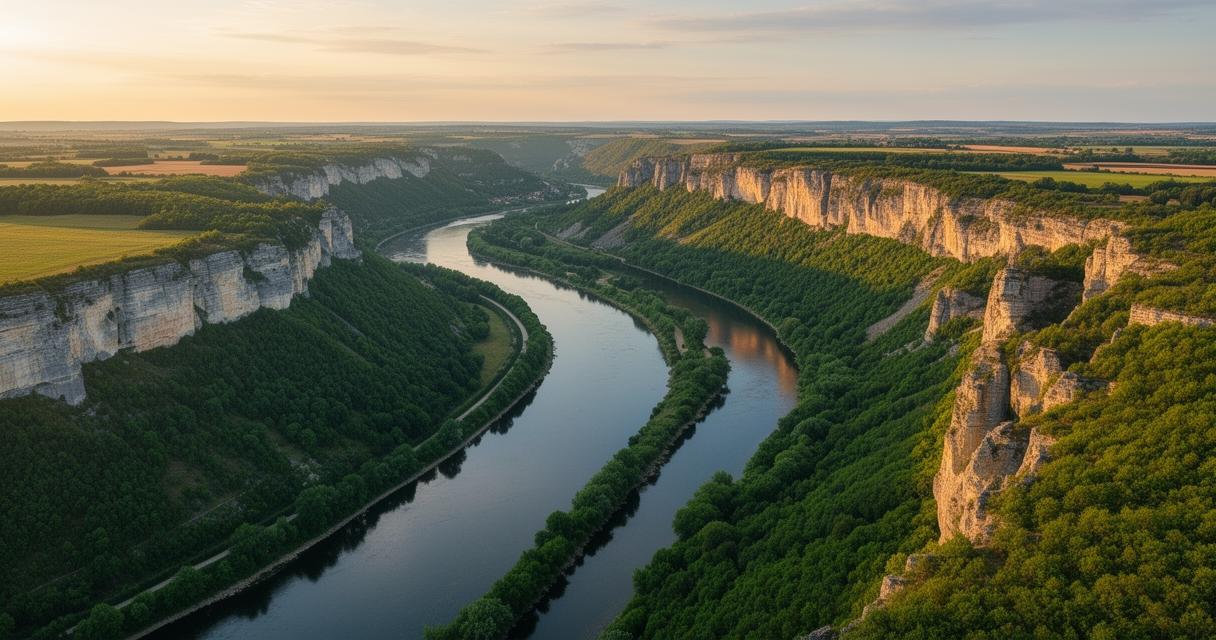
The Loire and Seine are both destined for the Atlantic Ocean, each carving out a distinct path through the French landscape. The Loire, often described as the last wild river in Western Europe, begins its journey in the Auvergne region and winds its way westward, passing through lush valleys and historic towns before reaching its mouth at the Atlantic. Its relatively uncontrolled flow has preserved much of the natural habitat along its banks, making it a haven for wildlife and a popular destination for eco-tourism. The Seine, on the other hand, is deeply intertwined with the urban fabric of Paris, where it has played a central role in the city's history and development. The river's 776-kilometre course takes it from the Burgundy region to the English Channel, passing through a series of locks and dams that manage its flow and facilitate navigation. Both rivers are celebrated for their scenic beauty and their importance to French culture, drawing countless visitors each year who seek to experience the landscapes and heritage that define these waterways.
Comparing river lengths across france and belgium
When examining the longest rivers in France, it is also interesting to consider how these waterways compare to those in neighbouring Belgium. The Meuse, for instance, flows through both countries and measures approximately 486 kilometres within French borders. This river eventually connects to the North Sea, serving as a vital link for commerce and transport across Western Europe. Other notable rivers in the French ranking include the Dordogne, which extends about 483 kilometres and flows into the Gironde estuary, and the Charente, which covers 381 kilometres as it winds past historic castles and charming towns. Further down the list, the Adour and Somme each measure around 308 kilometres, with the former located in the Basque country and the latter flowing from Aisne to the English Channel. Finally, the Vilaine, at 218 kilometres, is the shortest on the list but no less significant, particularly in the Brittany region where it empties into the Atlantic. These rivers collectively illustrate the rich tapestry of French geography and the diverse ecosystems that flourish along their banks.
River Mouths and Estuaries: Where French Rivers Meet the Sea
The journey of a river does not end until it reaches the sea, and the mouths and estuaries of French rivers are often as captivating as the waterways themselves. These transitional zones, where freshwater meets saltwater, are ecologically rich and have historically served as hubs for maritime trade and settlement. In France, the diversity of river outlets reflects the country's varied coastline, which borders both the Atlantic Ocean and the Mediterranean Sea. Each estuary and river mouth has its own unique characteristics, shaped by the volume of water carried by the river, the tidal patterns of the sea, and the surrounding landscape.
Atlantic ocean destinations: estuaries of western france
The Atlantic coast of France is home to several major river estuaries, each of which plays a crucial role in the region's ecology and economy. The Loire, as the longest river in France, reaches the Atlantic in a broad, shallow estuary that supports a rich diversity of marine and bird life. Similarly, the Garonne, which flows for 647 kilometres from the Spanish Pyrenees, forms the Gironde estuary in partnership with the Dordogne. This estuary is one of the largest in Europe and is renowned for the Mascaret wave, a tidal bore that surges upstream during certain times of the year. The Gironde estuary has been a vital gateway for maritime trade for centuries, and its waters continue to support the vineyards of the Bordeaux region, which rely on the estuary's unique microclimate for grape cultivation. Other rivers, such as the Vilaine and Charente, also reach the Atlantic through estuaries that have shaped the development of coastal towns and cities. These estuaries are not only important for commercial shipping and fishing but also serve as popular destinations for river cruises and recreational boating.
The mediterranean gateway: rivers flowing south
In contrast to the wide, tidal estuaries of the Atlantic coast, the rivers that flow into the Mediterranean Sea tend to have more defined channels and less pronounced tidal influence. The Rhône is the most prominent of these southern rivers, discharging its waters into the Mediterranean after a journey that spans hundreds of kilometres. The river's mouth is situated in a delta region that is ecologically significant and serves as an important habitat for migratory birds and other wildlife. The Rhône's Mediterranean outlet has also been a critical point for trade and cultural exchange since ancient times, connecting the interior of France to the wider Mediterranean world. This connection has facilitated the movement of goods, ideas, and people, contributing to the rich tapestry of Gallo-Roman heritage that can still be seen in the region today. The Mediterranean rivers, though fewer in number than their Atlantic counterparts, are no less important in shaping the identity and economy of southern France.